Prone Anterior Drawer Test Special Test
Orthopedic Physical Examination & Clinical Assessment Guide
What is it used for?
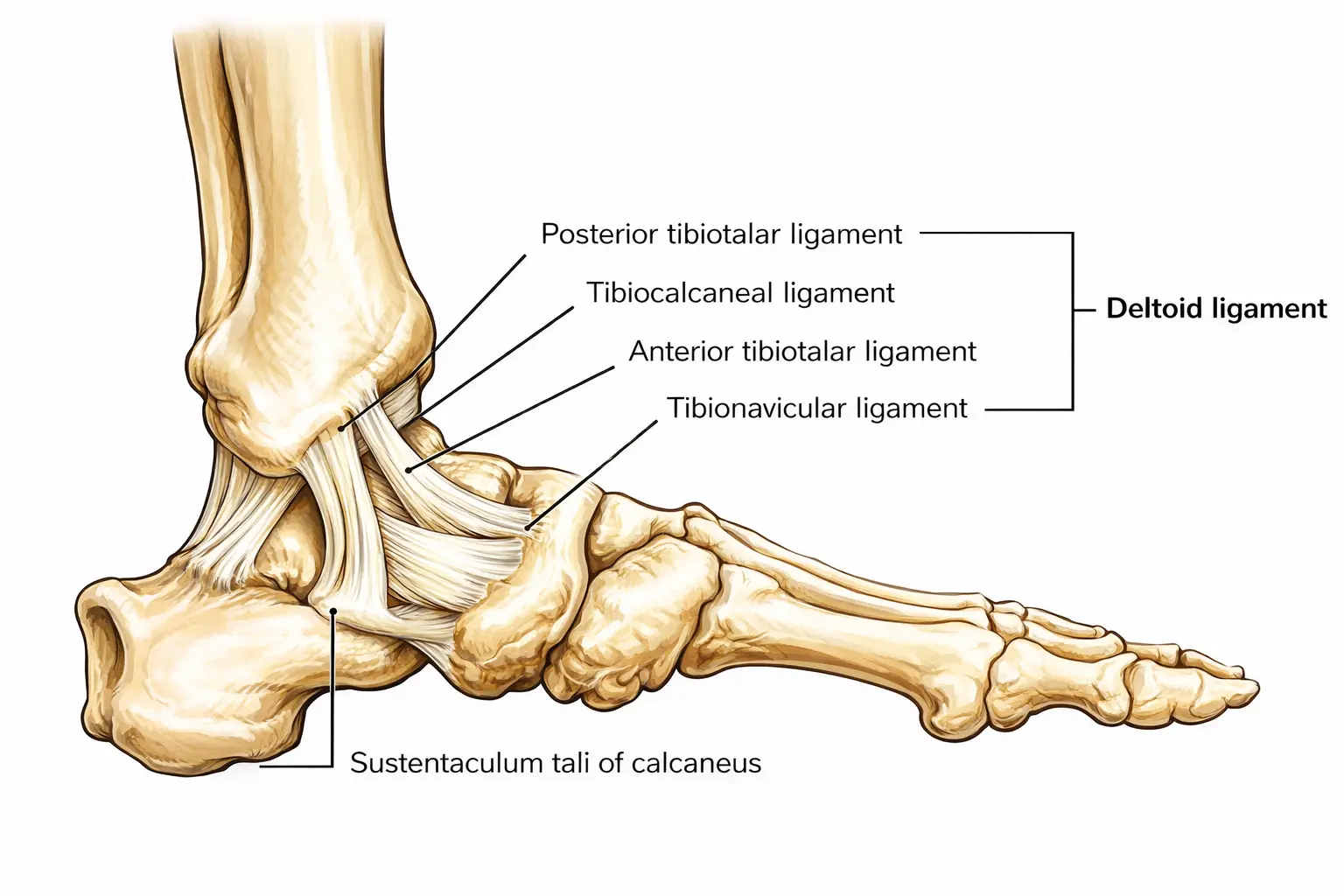
- Assessing the Anterior Talofibular Ligament (ATFL).
- Often considered more sensitive than the supine test because gravity helps relax the calf muscles.
How to Perform
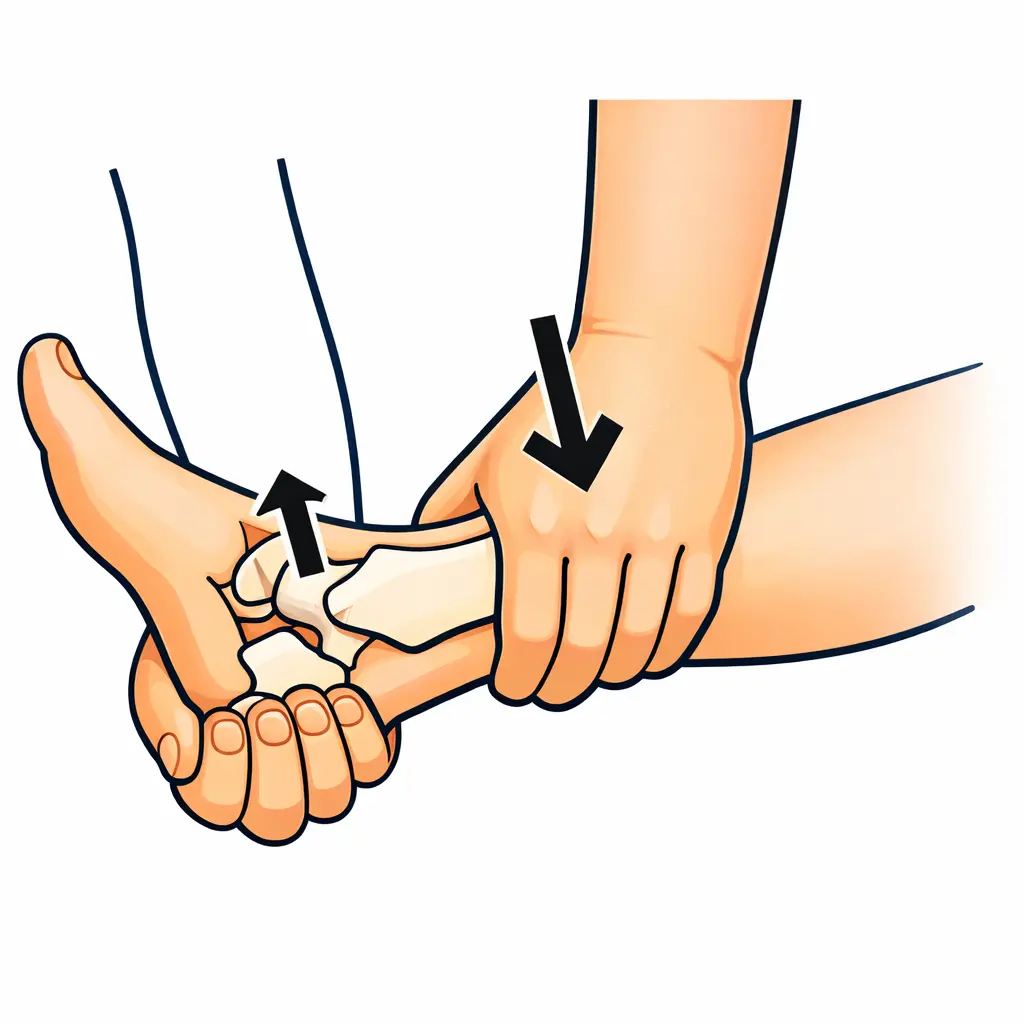
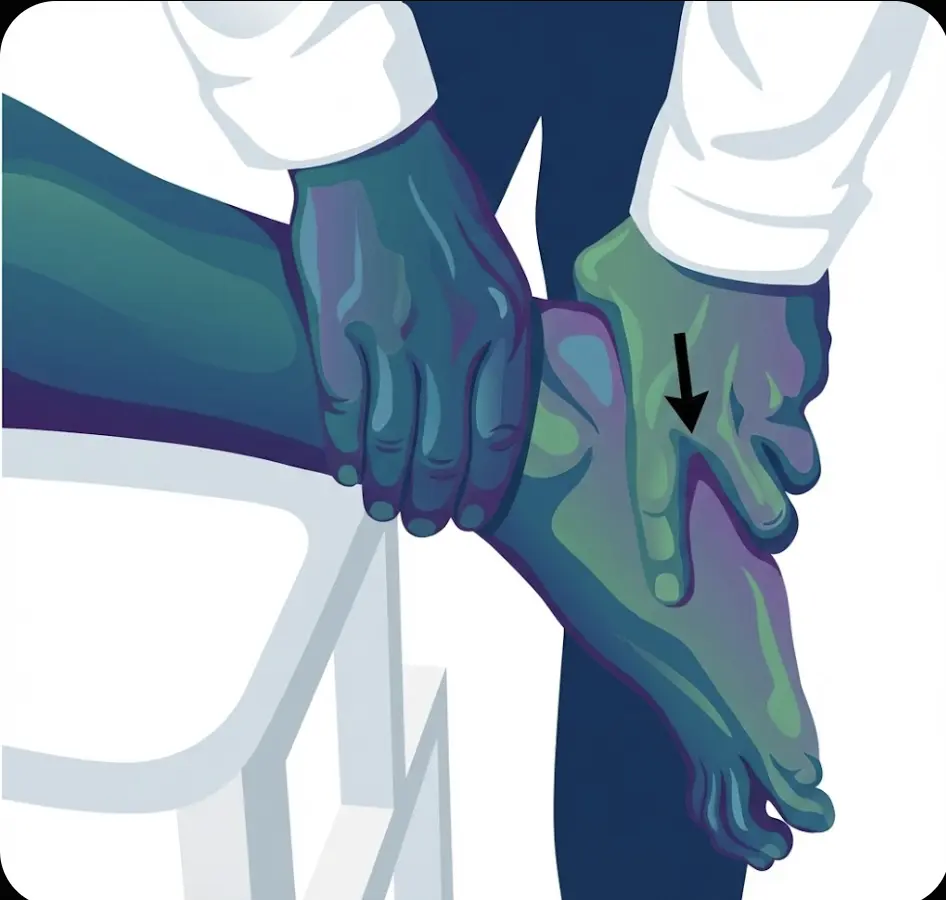
- Position: Patient lies on their stomach (prone) with feet hanging off the end of the table.
- Stabilization: Press down on the back of the calf (lower leg) with one hand to stabilize it against the table.
- Action: Cup the heel with the other hand and push it downward (anteriorly) towards the floor.
Interpretation of Results
- Positive Test: Excessive anterior movement (dropping) of the foot compared to the uninjured side.
- Note: A "dimple" (suction sign) may appear on the outer ankle.
Clinical Context & Limitations
The Prone Anterior Drawer Test should be considered as one component of a comprehensive musculoskeletal assessment. No single special test has perfect diagnostic accuracy; thus, clinical decision-making should integrate test results with patient-reported symptoms, mechanism of injury, functional impairment, and relevant imaging.
Clinicians should be aware of potential false-positive results in patients with pain sensitisation, muscle guarding, or poor relaxation. For the Ankle & Foot region, combining the Prone Anterior Drawer Test with complementary examination tests significantly improves overall diagnostic confidence.
References
- Magee, D. J. (2021). Orthopedic Physical Assessment (7th ed.). Elsevier.